How to Choose a Custom Wire Harness Manufacturer: A 9-Point Checklist for OEM Buyers
Price tells you what a supplier charges. These nine checks tell you whether the part will still match the drawing on the tenth shipment.
Learn morePractical answers for harness buyers and hardware engineers — how to specify, qualify and audit a custom wire harness supplier.
Price tells you what a supplier charges. These nine checks tell you whether the part will still match the drawing on the tenth shipment.
Learn moreBoth standards are quality management systems. Only one of them is written for automotive production parts — and the certificate scope decides more than the title.
Learn moreA battery pack harness is bought as a performance requirement, not a drawing. What the RFQ has to lock down, and where the schedule actually goes.
Learn moreA harness is a system of conductors, terminations and protection bundled into one assembly. That definition decides how it is bought, built and tested.
Learn morePPAP is the evidence that a part was made by the production process, not the prototype process. On a harness, five of its eighteen elements decide whether that was ever true.
Learn moreA harness supplier reproduces your drawing. An assembly supplier decides the construction — so the audit has to reach the design decisions, not stop at the process.
Learn moreFour decisions set the cost and the failure modes of a harness long before anyone crimps a terminal. Here is what each one has to answer.
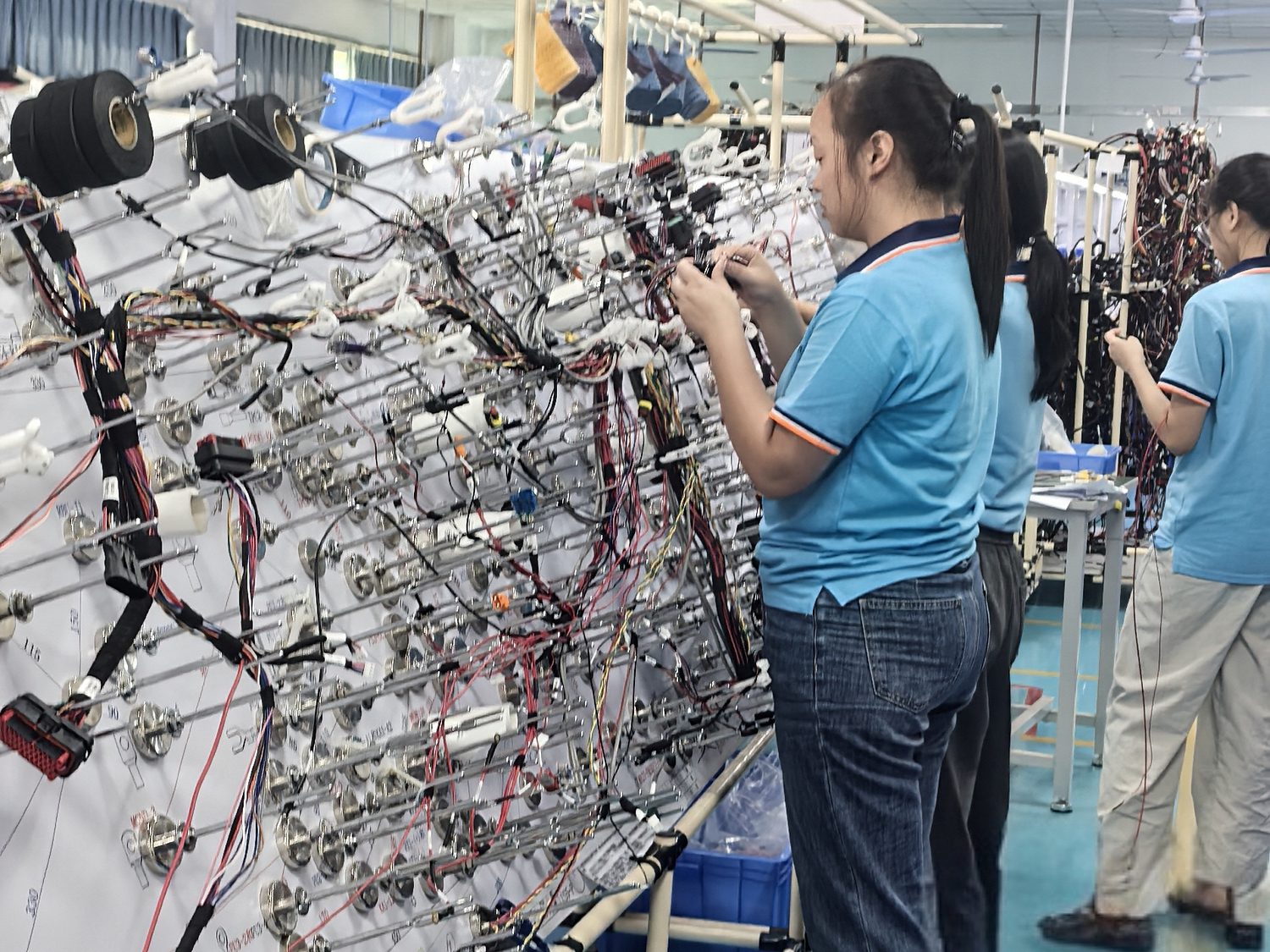
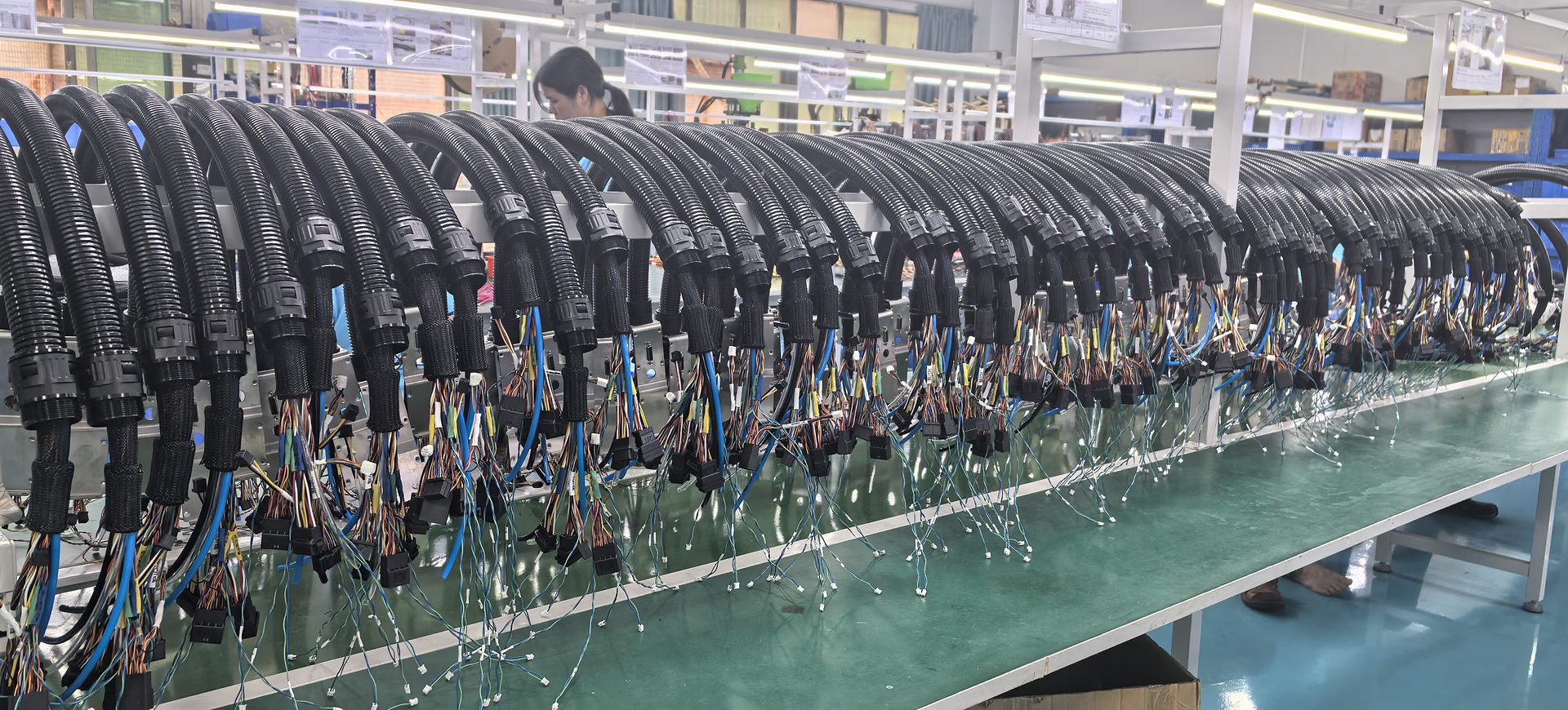
Learn moreBehind the capacity claim: how cutting, crimping, assembly and 100% end-of-line testing are laid out across fifteen lines, and what each stage is checked against.
Learn moreThere is no price list for a custom harness, because six variables decide it — and three of them are set by the buyer, not the supplier.
Learn moreA drawing, a sample, a connector list or a photo is enough to start. Typical reply within one working day, with engineering questions rather than a sales pitch.