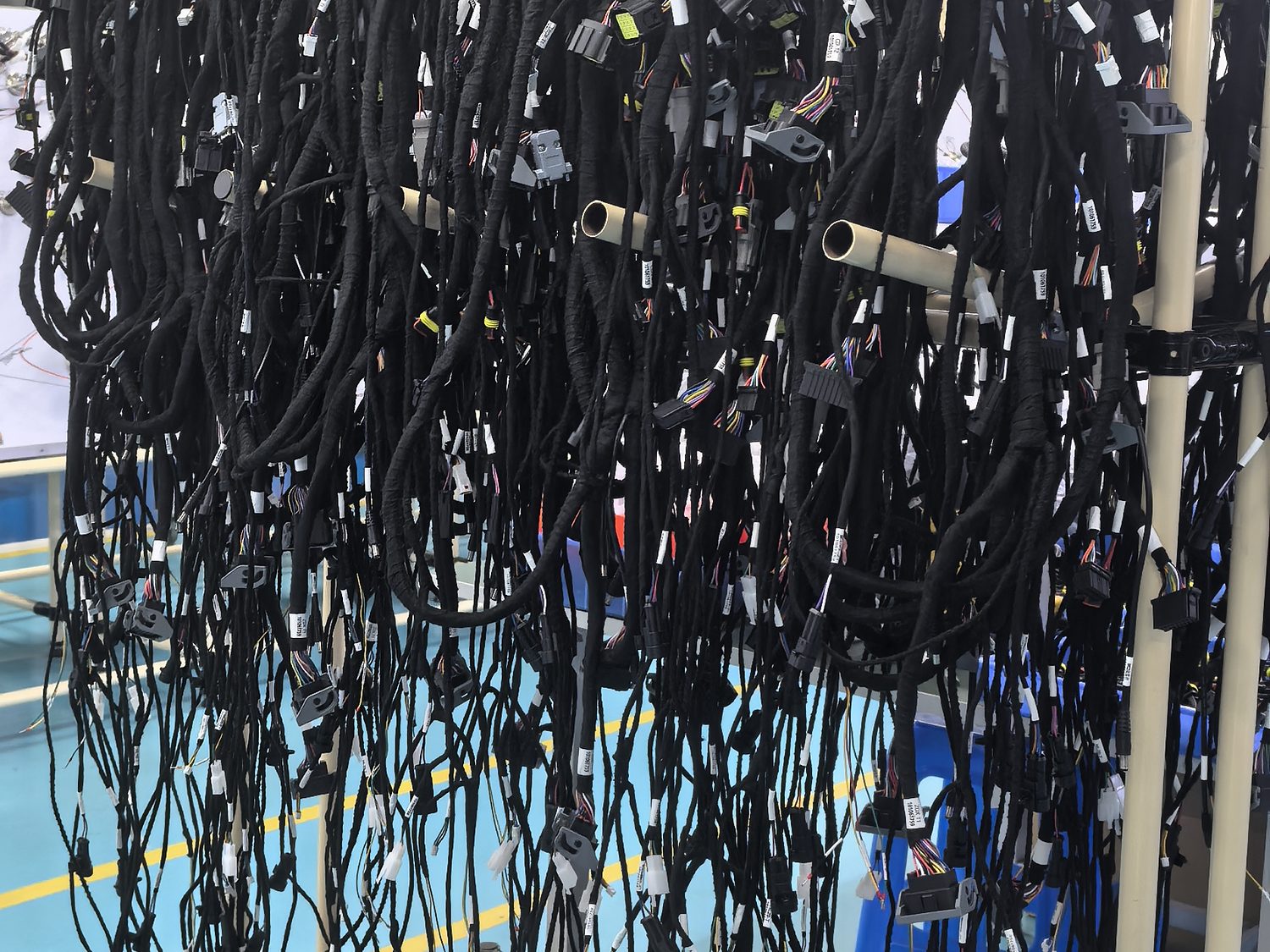
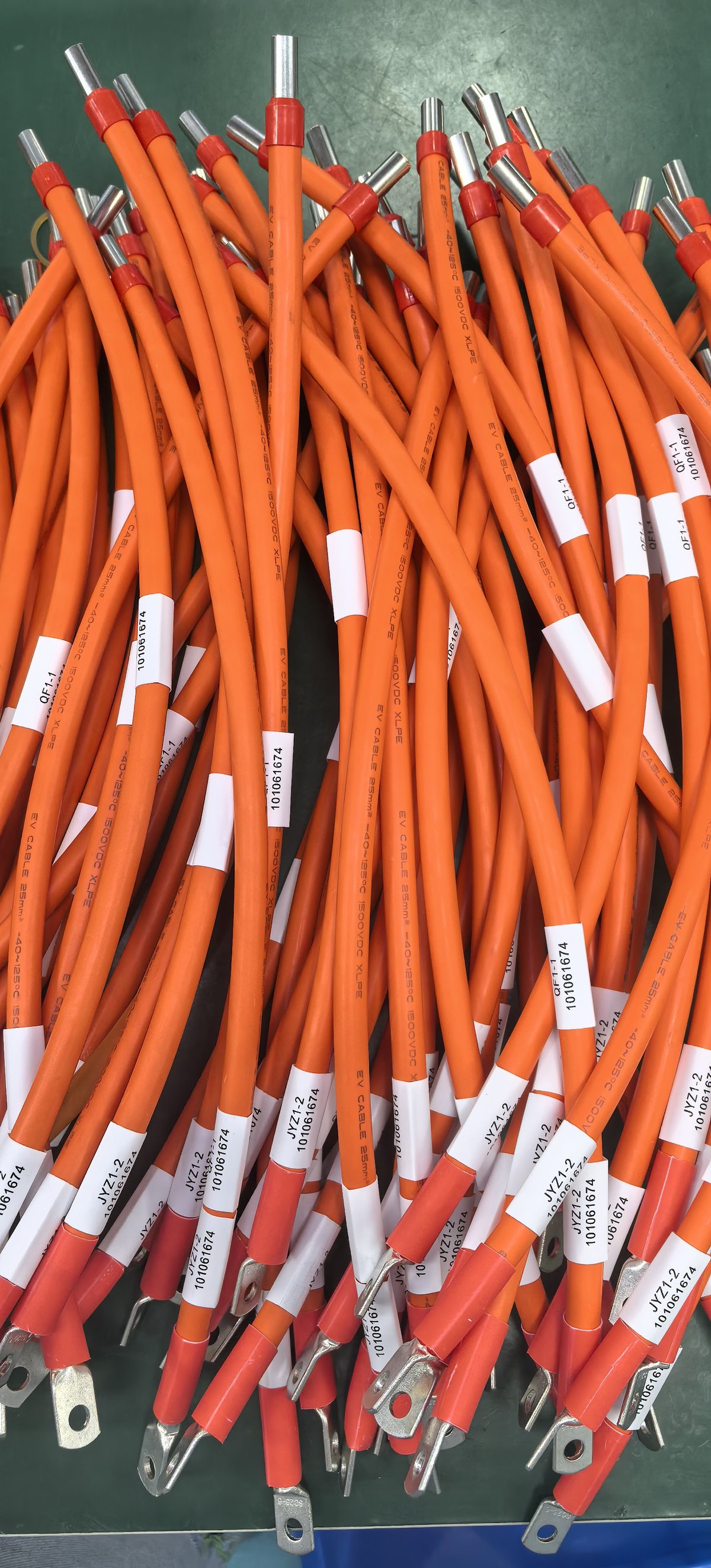
PPAP — Production Part Approval Process — is the automotive industry's evidence pack for one specific claim: that this part, made by the production tooling, on the production line, by production operators, at the production rate, meets the specification. It is defined and published by AIAG, the Automotive Industry Action Group, and it applies to production parts and service parts. It is not a certification, it is not a test report, and it is not a promise about the future.
That last distinction is why it is worth asking about during a supplier audit. A sample built by the engineering team in a workshop proves a part can exist. PPAP is how a supplier proves the part that will actually arrive can exist.
What PPAP is not
- It is not an approval of your design. PPAP approves a supplier's ability to reproduce a given design consistently. If the design is wrong, a perfect PPAP submission documents a wrong part very thoroughly.
- It is not a one-off exercise. A PPAP is tied to a part, a process and a site. Change the tooling, move the line, substitute the material or the sub-supplier, and the approval lapses.
- It is not the same as a first-article report. A first article is one dimension of a PPAP. On a harness it is usually the dimensions, the crimp data and the electrical results — three of eighteen elements.
The eighteen elements, and the five that decide a harness
The submission has eighteen standard elements. All of them are relevant; not all of them are equally capable of being faked. On a wire harness these five are where the real information sits:
The remaining elements matter, but most of them are documents rather than evidence of process. Dimensional results, material and performance test records, the sample parts and the part submission warrant are the pack's spine; the five above are where a supplier's actual discipline shows through.
Two elements are frequently outside a harness manufacturer's control. Design records come from the customer, and the DFMEA follows the design — which is exactly why our IATF 16949 scope excludes product design under Clause 8.3. A supplier who claims to hold design responsibility they do not have will produce a DFMEA about somebody else's decisions.
The five submission levels
Level 3 is the working default. When a buyer asks "do you support PPAP", the useful follow-up is "which level, and can I see a submission you have made at that level" — because Level 1 and Level 3 are both technically "PPAP support" and only one of them hands you the control plan and the capability studies.
Where a harness PPAP goes wrong
- The sample was not built on the production line. This is the most common and the most damaging. It is also discoverable: ask which operators built the samples, and whether those operators are on the line that will run the part.
- The control plan describes the sample, not production. Sample builds get more inspection. A control plan whose frequencies drop by an order of magnitude when the programme goes to volume was never describing production.
- Crimp height capability is stated once and never revisited. Crimp height drifts with machine temperature and with every new reel of terminals. A capability figure measured in a single session is a snapshot of one reel.
- The PFMEA has no dates. An FMEA without dated actions and a responsible person is a document, not a process.
- Sub-supplier changes are not reported. On a harness the wire and the terminals are the two substitutions that matter, and both are invisible in the finished part.
What to ask a supplier
Four questions get most of the value out of a PPAP conversation:
- Which elements do you own and which come from the customer? The answer should be immediate and should match the scope on your quality certificate.
- Show me a submission from the closest part you already build. The closest, not the best.
- What did the initial process study measure, on which characteristic, and what was the index? If the answer is "we passed", the study does not exist.
- What happens to the approval when the terminal supplier changes? The right answer is that it lapses and is resubmitted or notified; the wrong answer is that nothing changes.
On our own programmes the answer to the first question is that process flow, PFMEA, control plan, MSA and the process studies are ours, while design records and the DFMEA come from the customer because the design does — see what our IATF scope excludes and why that is the honest answer for a build-to-print supplier.
Which programmes it applies to
- An automotive wiring harness for a production vehicle: PPAP is normally contractually required, and Level 3 is the usual submission.
- An EV or energy-storage high-voltage assembly: PPAP still applies, but the PFMEA has to cover construction decisions the supplier is making — shielding, termination, sealing — rather than only process controls. Where the customer has left the construction open, more of the risk sits in the supplier's half of the pack.
- A construction machinery or industrial automation harness: the end customer may not require a formal PPAP, and asking for the equivalent evidence anyway is a cheap way to see whether the discipline exists.
- A home appliance harness: the appliance maker's own approval process usually governs. The five elements above are still the ones that predict whether the tenth shipment matches the first.
Frequently asked questions
Is PPAP the same as a first article inspection report?
No, a first article is a subset. A first article report typically covers dimensional results, some material or performance data, and possibly crimp measurements — three of the eighteen PPAP elements. PPAP adds the process reasoning around them: the flow diagram, the PFMEA, the control plan, the measurement system analysis, the initial process studies and the part submission warrant. A supplier who can produce a first article but not a PPAP has measured a part; a supplier who can produce a PPAP has documented a process.
Which PPAP level should I specify for a new wire harness part?
Level 3, which is the warrant plus samples plus complete supporting data, and it is the level most vehicle manufacturers specify by default for a new part. Level 1 hands you a signed warrant and nothing else, which tells you the supplier believes the part is approved without showing you why. Levels 4 and 5 are for cases where you define your own requirement or where the risk justifies reviewing the pack at the supplier's site; a harness going into a first-generation battery programme is a reasonable candidate for Level 5.
Does a PPAP submission expire?
The approval is tied to a part, a process and a site rather than to a date, so it lapses on change rather than on a calendar. A new tooling set, a moved or duplicated line, a different terminal or wire sub-supplier, a change in the manufacturing process or a gap in production long enough for the line to be rebuilt all invalidate it and require notification or resubmission. Ask a supplier what triggers a resubmission in their own procedure — a supplier with a working PPAP process can list those triggers from memory, because they have had to use them.

 Guides & Insights · Sep 24, 2026